Bounty formats turn every knockout into currency, which means your opening ranges, stack management and table image all need a rethink before the first antes drop. In Australian-facing online rooms, where AUD tables and localised lobbies tend to dominate the schedule, the meta rewards players who can pivot between aggressive accumulation and selective survival. A solid poker bounty tournament strategy is less about flashy bluffs and more about consistent chip acquisition against players who over-value their own heroes. Reckon on reading your opponents before the flop and you’ll already be ahead of most weekend warriors grinding the lobby. That same patient, observant mindset is what I lean on when writing social casino CRM flows, then turning around to review how platforms present tournaments to newcomers.
How Australian Online Card Rooms Shape Your Bounty Gameplay
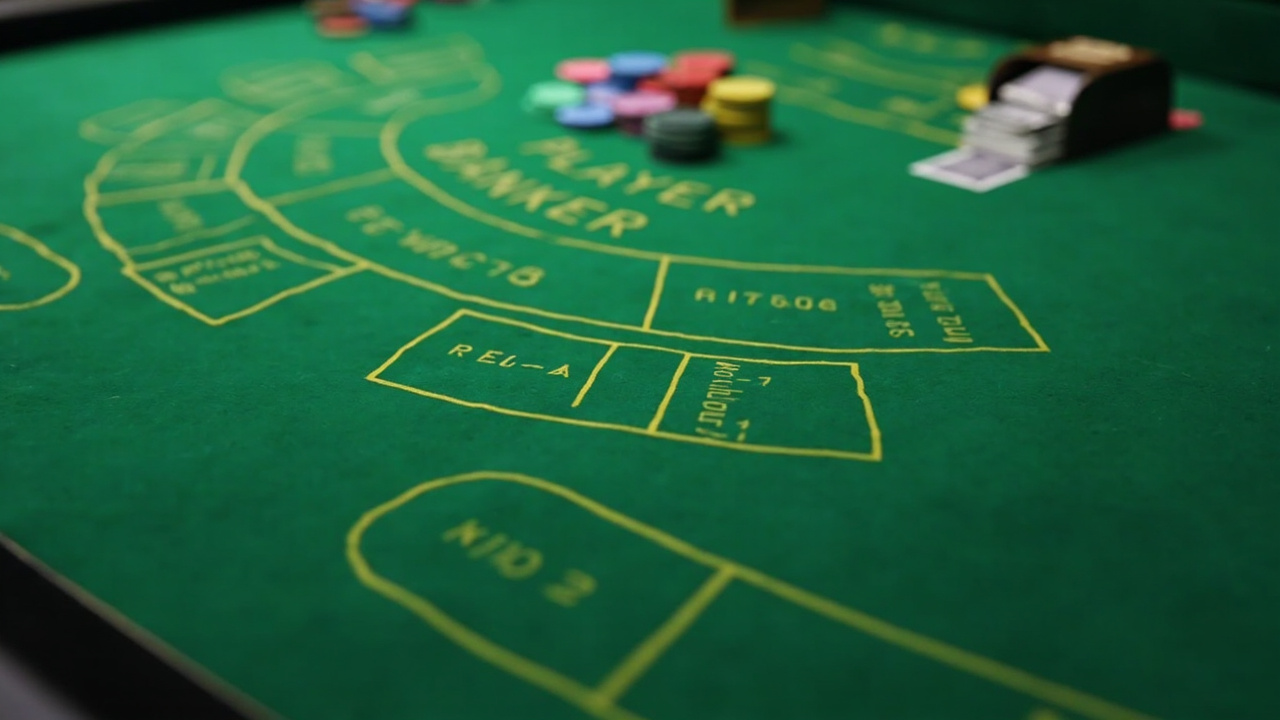
Localisation in Australian-facing poker clients is usually thorough: AUD sits as the default currency at the cashier, AEST/ADST timestamps make sense in tournament lobbies, and support windows tend to stretch through Aussie arvos. The best rooms fold tournament tabs into a single sidebar so you can jump from scheduled bounties to sit-and-gos without reloading, which matters when a progressive bounty event is about to cut its registration window. Visually, the cleaner Australian rooms lean into deep navy or matte maroon tables that reduce glare during long sessions – small detail, real difference across a five-hour grind.
Filter clarity is the underrated feature. A proper filter lets you pin “Bounty”, “Progressive Knockout”, “AUD buy-in”, and “Late registration open” simultaneously, rather than making you scroll past fifty Mystery Bounty flyers that aren’t actually bounty events at all. I’d rather a room show me forty relevant events than four hundred dressed-up satellites. Mobile parity has finally caught up in most AU-targeted apps, and the bounty chip stacks render correctly on a six-inch screen – a fix I’d been chasing in CRM feedback loops for the better part of a year. Currency conversion at the cashier stays transparent, and payout tables display both gross and net figures in AUD before you commit.
Tournament Structure, Stack Pressure and Bounty Value
Reading Bounty Prizes Against Your Own Stack
Not every bounty hit is worth chasing, and recognising the inflection point separates grinders from punters. Early levels, bounties are worth roughly a third of a starting stack in most AUD progressive events, so a loose re-raise range pays for itself quickly. By the time antes hit, that same head is worth closer to a full stack, and short stacks should tighten their calling ranges dramatically to avoid bleeding chips on speculative flips where the bounty doesn’t compensate. If you’re running below twenty big blinds, selective aggression – not desperation – is the register; pick spots where your opponent’s shove range is wider than your calling range, then collect the overlay when their premium hand cramps up.
Here’s a compact reference I keep on hand for bounty value versus stack depth:
| Your Stack (BB) | Bounty Worth (approx.%) | Recommended Action |
|---|---|---|
| 40+ | 20-30% | Widen opening range |
| 20-40 | 50-70% | Selective 3-bet for value |
| 10-20 | 80-100% | Fold marginal spots |
| Below 10 | 100%+ | Push or fold only |
Use that table as a starting dial, not a script – actual bounty ratios shift between rooms and series.
Late Registration and Saturation Windows
Late registration is where busier Aussie tournaments fill with short stacks looking to spin up, and that’s when the cookie softens. Apply ICM-lite thinking even at regular tables, because each knockout fetches a tangible AUD reward rather than abstract chip equity. Adjust your calling range to hands that both flop well and dominate the shoving ranges of typical late-reg grinders, including ace-x suited, broadways and pocket pairs from tens upward. Don’t bother hunting stations who just want a quick flip; instead, sit patiently and let the field shorten itself. When bounty inflation hits late registration late stages, your stack can balloon from passive pot wins alone, so don’t bleed chips chasing side pots you don’t need.
Players interested in a parallel read on table-game strategy can pair this with a closer look at Pai Gow Poker decision trees by working through Pai Gow strategy insights alongside their bounty prep – both reward tight discipline over flashy moves.

Tying Bounty Strategy to Your Real-World Schedule
A busy arvo can shred focus faster than a cold deck, so build your tournament diary around blocks where you can play uninterrupted ninety-minute sessions rather than half-watching between errands. I run my CRM audits against similar constraints: tight windows demand tighter patient workflows, just as tight bounty stacks demand tighter patient ranges. Bookmark your favourite AUD rooms, set lobby alerts on progressive knockout starts, and prep two table-maximum open tabs so you’re not tabbing mid-hand. Defo check the cashier’s payout speed in AUD before committing a bankroll, because a fast POLi or PayID withdrawal beats waiting three business days for an overseas wire. For a quick sense of how regional Australian operators approach their casino lobbies and bonus flows, the broader perspective at themelbournebirder.com gives a useful read on the local scene beyond the felt. Match the table to your timezone, and you’ll find late-night tournaments in AEST tend to be softer once weekday grinders log off.
A solid bounty strategy lives or dies on stack discipline and opponent reads, and the Australian rooms that surface bounties cleanly – clean filters, transparent AUD cashier tables, proper mobile rendering – make that work easier. She’ll be right when the cards cooperate, but you’ll want a platform that still treats you fairly when they don’t. If you’re a recreational player who likes fast knockout action without burning mental bandwidth on conversion math, the progressive format across AU-facing rooms is a comfortable fit; tournament regulars chasing overlay may want to scout satellite qualifiers first, then graduate to weekly flagship series.