The card counter who walks through a Sydney casino door is meeting a very different environment than the one that existed when the Mirage introduced its erupting volcano to the Strip in 1989. Back then, the spectacle drew crowds; today, the same operators are running quiet, data-heavy countermeasures that rarely make the brochures. For Australian players over eighteen, the practical question is not whether counting is possible, but how the house quietly narrows the edge before a shoe ever reaches the table.
What the floor actually changes when counting is suspected
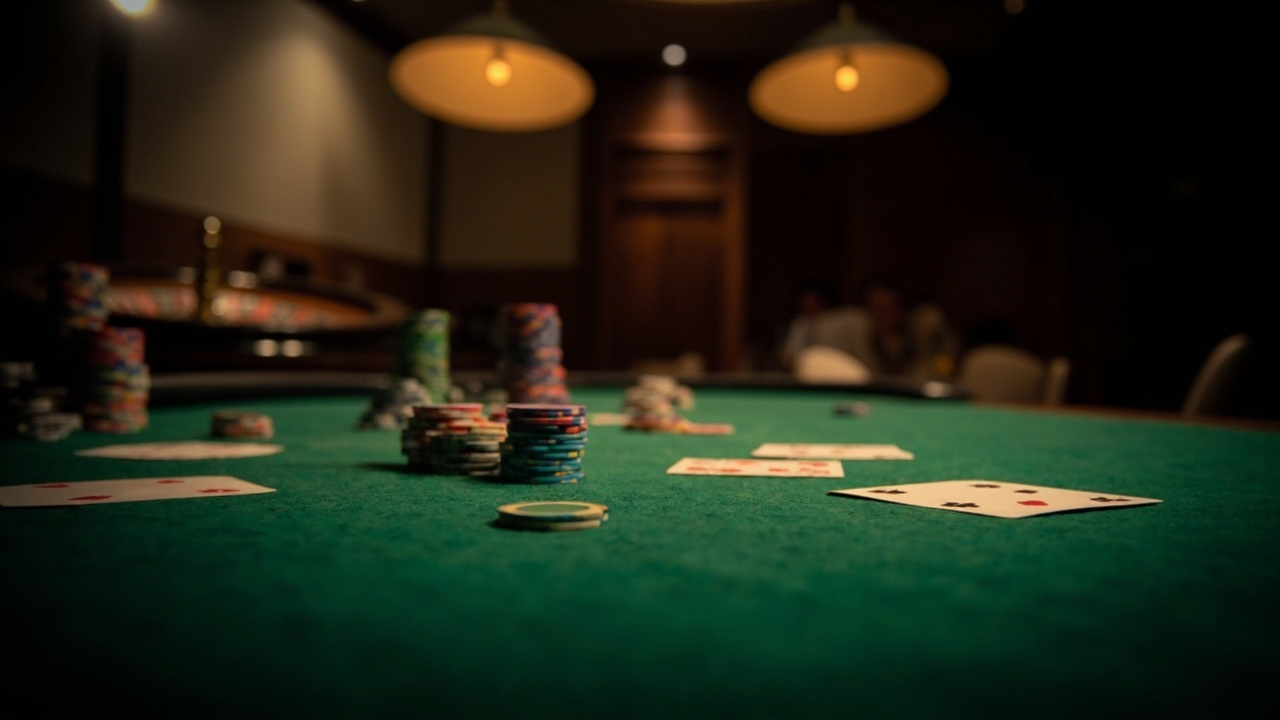
When a pit boss or surveillance operator flags a potential counter, the response is usually procedural rather than theatrical. Shuffling frequencies rise, the number of hands per shoe drops, and the dealer may move to a continuous-shuffle machine that resets the composition after every deal. Those adjustments are not personal; they are the standard playbook for protecting the house edge on games where a disciplined player can tilt the maths.
The changes show up in small, cumulative ways. A shoe that would normally run through sixty to eighty cards before a shuffle might be cut in half. Table limits can shift, and the operator may reseat the suspected player to a different game with less favourable penetration. Removing celebratory feedback reduces overall play in studies, and the same logic applies on the floor: when the environment stops rewarding big wins with lights, noise, and automatic comps, the incentive to grind a thin edge drops with it.
I put the question to Ethan McKenzie, Strategy Director, Gold Coast Gaming Network, over a coffee in Surry Hills. He described the modern approach as less about confrontation and more about compression. “The goal is to make the counted advantage uneconomical before it ever becomes a real threat,” he said. “You adjust penetration, shuffle timing, and table assignment so the player is working harder for less.”
For a player sitting down at a blackjack table in regional New South Wales, the first sign is often the shuffle itself. A dealer who was running deep into the shoe suddenly cuts it short, and the next shoe starts fresh before the composition has a chance to develop. That is the most visible piece of casino countermeasures against card counting, and it is the one that changes the rhythm of the session long before any manager steps over to the felt. royaleeels updated
How the countermeasures stack up in practice
Shuffle timing and penetration
The most direct lever is how far into the shoe the dealer plays before reshuffling. A counter relies on a high count appearing late, when the remaining cards are tilted toward tens and aces. Shortening penetration removes that window. Continuous-shuffle machines take it further by returning every card to the shoe immediately, which makes traditional counting largely irrelevant for that game. The trade-off for the operator is a faster, more mechanical table that can run more hands per hour, and for the player it means the composition never stabilises long enough to build a reliable edge.
Table assignment and limits
Once a player is flagged, the next move is often relocation rather than removal. Moving a suspected counter to a six-deck game with lower penetration, or to a table with a higher minimum that reduces the number of comparable betting opportunities, changes the economics without a confrontation. Limits matter here: a player who varies stakes based on the count needs room to raise and lower bets within a narrow spread. Tighten the spread or move the player to a game where the minimum is a larger share of the bankroll, and the counted advantage has to work much harder to cover variance.
Surveillance and pattern tracking
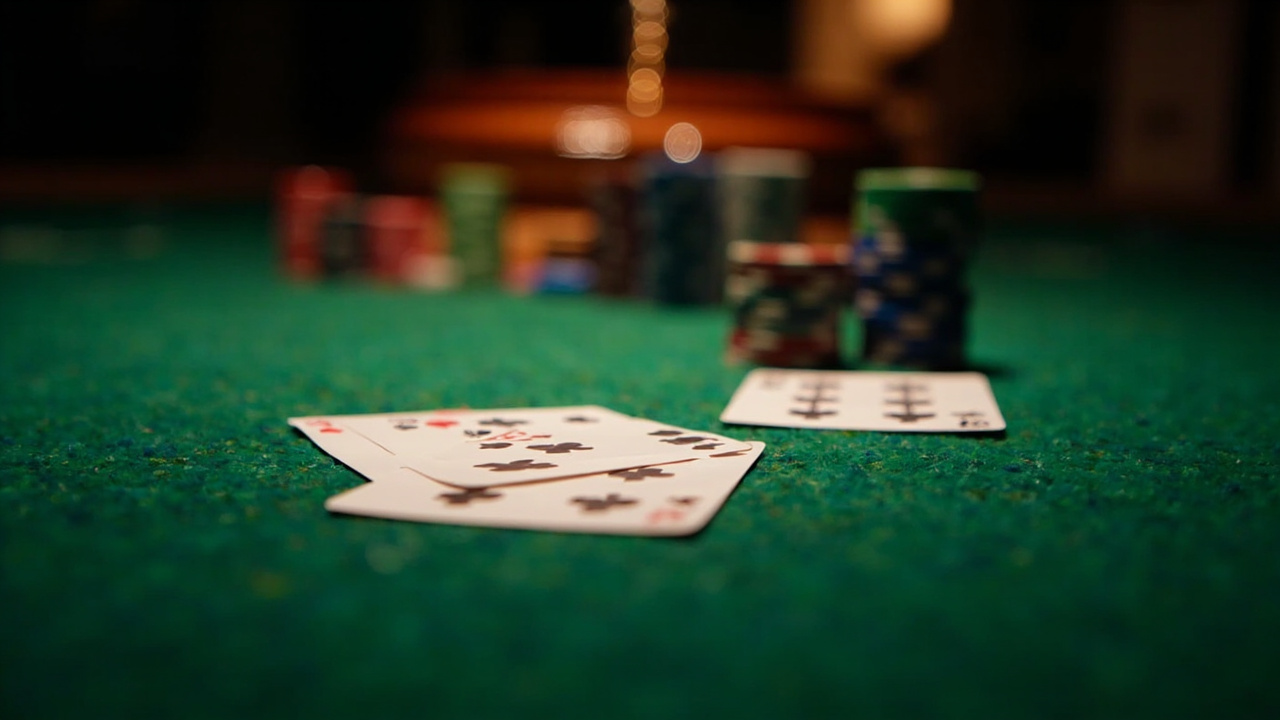
Modern floors run camera systems and table-management software that log bet sizes, shuffle points, and win/loss patterns across sessions. The point is not to catch a single hand but to spot a consistent relationship between bet size and the apparent state of the shoe. A player who raises stakes in a recognisable pattern across multiple sessions is easier to identify than one who varies bets with genuine randomness. The data feeds into the reshuffle and reseating decisions above, which is why the visible changes on the table are often the end of a longer observation cycle.
| Countermeasure | What changes at the table | Practical effect on a counted edge |
|---|---|---|
| Shorter penetration | Shoe is cut before the count can deepen | Fewer high-count hands, smaller overall advantage |
| Continuous-shuffle machines | Cards return to the shoe after every deal | Traditional counting loses its window entirely |
| Table relocation | Player moved to a less favourable game or limit | Spread and bet sizing become harder to use profitably |
| Pattern tracking | Bet and shuffle data logged across sessions | Suspected counters are identified before a single confrontation |
The table above is not a scorecard; it is a way to see which lever does what. A player who wants to understand casino countermeasures against card counting should focus on the sequence: observation, then shuffle and penetration changes, then table assignment, with surveillance feeding all three.
Whether the approach fits a regular Australian player
For most players in Australia, the practical takeaway is straightforward. If you are playing blackjack for entertainment, the shuffle timing and table assignment changes are background noise. If you are trying to run a counted strategy, the same changes are the reason the edge is fragile in the first place. The mathematics of the game still apply, but the environment is built to compress the window where discipline can convert into a real advantage.
Regional New South Wales venues tend to run smaller floors than the big metro casinos, which means the observation cycle can be shorter simply because there are fewer tables and fewer staff to rotate. A player moving between a Port Macquarie hospitality club and a Sydney central floor will notice different rhythms, but the underlying levers are the same: penetration, shuffle method, and where the operator sits you. The difference is scale, not principle.
There is also the matter of bankroll and variance. Even where a counted edge exists in theory, the bet spread required to make it worthwhile can be large enough that short sessions swing heavily. A practical player treats the countermeasures as part of the cost of play, not as a puzzle to solve on a single visit. That mindset matters more than any single shuffle decision.
The quiet reality on the floor
Card counting is not banned in the sense of being illegal, but the house is under no obligation to keep a table favourable to it. Casino countermeasures against card counting are built into the ordinary operation of the game: how deep the shoe runs, how quickly it resets, where you sit, and how the floor tracks patterns across sessions. For an Australian player over eighteen, the clearest read is that the edge is never just about the cards; it is about the environment the operator controls around them.