Pull up a chair in the arvo and the screen feels less like a kiosk and more like a proper room. A mobile casino live dealer setup asks for the same discipline you’d bring to a Canberra winter afternoon: layer up, check the wind, and don’t chase the chill. I’ve spent years tuning slot maths and shipping iGaming builds across Australia, Europe, and Asia, and the pattern is consistent – players who pick for licence clarity, support that answers on the first ring, and account controls they can actually read tend to stick around longer than the ones chasing a flashy lobby. When you’re weighing a mobile casino live dealer, the real question isn’t which table looks busiest; it’s whether the house rules, the privacy handling, and the responsible-play levers are set up so you can play on your own terms.
Reading the Licence and the Privacy Fine Print Before You Tap Deal
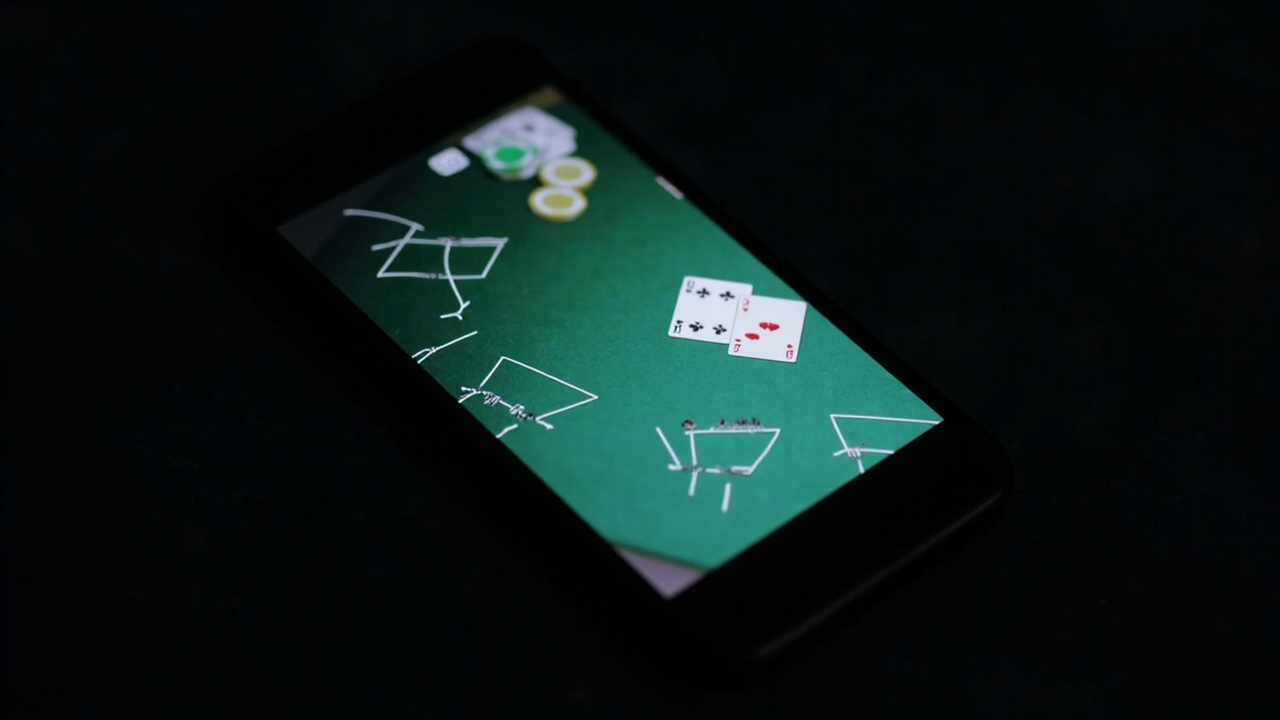
A live table on a phone doesn’t care how fast your connection is if the operator behind it can’t show a clean licence and a privacy stance that makes sense. I’ve seen studios ship games with polished UI and then bury the licensing line three pages deep, which is the sort of thing that turns a pleasant session into a paperwork headache the moment you want a withdrawal or a data question answered. The better operators name their licence upfront, keep the terms in plain English, and let you find the privacy policy without playing hide-and-seek. That matters because a mobile casino live dealer session records more than your bets – chat logs, device hints, and session timing all sit somewhere in the back end, and you want an operator that says exactly what it keeps and why. If the fine print reads like a legal maze, walk on; if it’s written so you can actually parse it over a coffee, you’ve got a workable starting point. I’ve also watched developers treat privacy like an afterthought while slapping a fresh coat of paint on the lobby, and that mismatch usually shows up later when support has to untangle a data request that should have been straightforward from day one.
Account Controls, Support, and the Responsible-Play Levers That Actually Work
The controls you can reach from your phone are the ones that keep a session from drifting past your own line. A decent mobile casino live dealer setup gives you deposit caps, session reminders, and a clean way to pause or self-exclude without hunting through menus that seem designed to slow you down. Support quality is where a lot of operators separate themselves, because a live table keeps moving and you don’t want to be stuck in a queue while the dealer waits on a bet you’re trying to sort out. I’ve production-tested support flows across multiple markets, and the operators that hold up are the ones with staff who can read your account state, explain a limit change in plain terms, and actually action it without sending you in circles. When I’m judging a build, I look for whether the responsible-play tools are visible before you’re already deep in a hand, because a control you have to dig for is a control most people won’t use. If the support team can answer a licence question, a payment query, and a limit request without making you re-explain your account three times, you’re looking at a setup that treats your time as something finite.
Picking the Right Live Table for Your Play Style and Your Phone
Different tables suit different rhythms, and the right pick depends less on the game name than on how you like to sit in a session. If you’re the sort who prefers a steady pace and a clear view of the shoe, a blackjack or baccarat stream with a tidy interface and readable bet timers will usually feel less fiddly on a phone than a crowded lobby with ten side widgets fighting for space. If you like the social side and don’t mind a bit of chat noise, a roulette stream with a visible wheel and a dealer who actually addresses the room can make a quiet Tuesday night feel less lonely. I’ve built and reviewed content pipelines where the same game played very differently depending on the stream layout, the camera angle, and how the bet window timed out on a smaller screen, so the player-fit call is often about interface discipline rather than the table itself. You want a stream that keeps the action legible, a bet panel that doesn’t vanish when you rotate the phone, and a pace that matches your attention rather than fighting it. If you’re weighing a plinko machine on instant play alongside a live table, the honest read is that they serve different moods – one is a quick self-contained drop, the other is a session you settle into – so pick the one that matches the hour you’ve actually got, not the one that looks loudest in the lobby.

- Open the operator’s site on your phone and read the licence line and privacy summary before you register.
- Set a deposit limit and a session reminder from the account controls, then save the settings before you fund the account.
- Pick one live table that matches your pace, check the bet timer and the camera view on your screen, and start with a stake you’re comfortable carrying into a quiet session. plinko machine on instant play
- If anything feels off, use the in-app support or the account menu to adjust a limit or pause play rather than pushing through the moment.
The strongest call I can make is to treat a mobile casino live dealer like a room you choose to spend time in, not a machine you hope will sort itself out. Check the licence, read the privacy line, set the controls you’ll actually use, and pick the table that fits your pace and your phone. Play within the limits you set, keep the session shorter than your patience, and walk away while the maths is still on your side.